It is one of the most common questions asked at any decent bar. What is the difference between whiskey and whisky? The short answer is geography and an extra letter. The longer answer involves centuries of rivalry, fundamentally different production methods and flavour profiles that could not be further apart. Whether you are a seasoned sipper or a curious beginner, understanding the distinction will change the way you order at the bar.
The Spelling and What It Means
The simplest rule of thumb is this: if it comes from Ireland or the United States, it is whiskey with an E. If it comes from Scotland, Canada or Japan, it is whisky without. The distinction dates back to the nineteenth century, when Irish distillers added the E to differentiate their product from Scotch, which they considered inferior at the time. The spelling stuck, and it has been a source of friendly debate ever since.
But spelling is just the surface. The real differences lie in how the spirit is made, what goes into it, and how it tastes in the glass.
Production Differences
Irish whiskey is typically triple distilled in copper pot stills, which produces a smoother, lighter spirit. The extra distillation strips out more of the heavier congeners, resulting in a drink that is approachable and easy to sip neat. Most Irish whiskey uses unmalted barley alongside malted barley, a style known as single pot still whiskey that is unique to Ireland.
Scotch whisky, by contrast, is usually double distilled and often uses malted barley that has been dried over peat fires. This peat smoking is what gives many Scotch whiskies their distinctive smoky, earthy character. The intensity of the peat varies enormously depending on the region. An Islay malt can taste like a bonfire on the beach, while a Speyside whisky might be fruity and floral with barely a trace of smoke. As CraftBeer.com notes, the appreciation of malt-forward flavours has grown enormously as drinkers become more educated about what goes into their glass.
Flavour Profiles
Irish whiskey tends toward honey, vanilla and fruit, with a soft, rounded mouthfeel that makes it exceptionally versatile. It works neat, on the rocks, in an Irish coffee, or as the base of a cocktail. The smoothness of a well-made pot still whiskey is its calling card, and it is the reason Irish whiskey has been the fastest growing spirits category in the world for the past decade.
Scotch whisky offers a broader range of flavour experiences. From the maritime salinity of a Highland Park to the rich sherry influence of a Macallan, Scotch rewards exploration. The trade-off is that Scotch can be less immediately accessible. A heavily peated Islay whisky is an acquired taste, and newcomers to the category are sometimes put off by the intensity before they discover the subtlety beneath it.
How to Choose
There is no wrong answer here. If you prefer something smooth and approachable, start with Irish whiskey. A single pot still expression will give you the clearest sense of what makes the style unique. If you want something with more complexity and do not mind a bit of smoke, explore the Scotch regions one by one, starting with the lighter Lowland and Speyside malts before working your way toward the peat monsters of Islay.
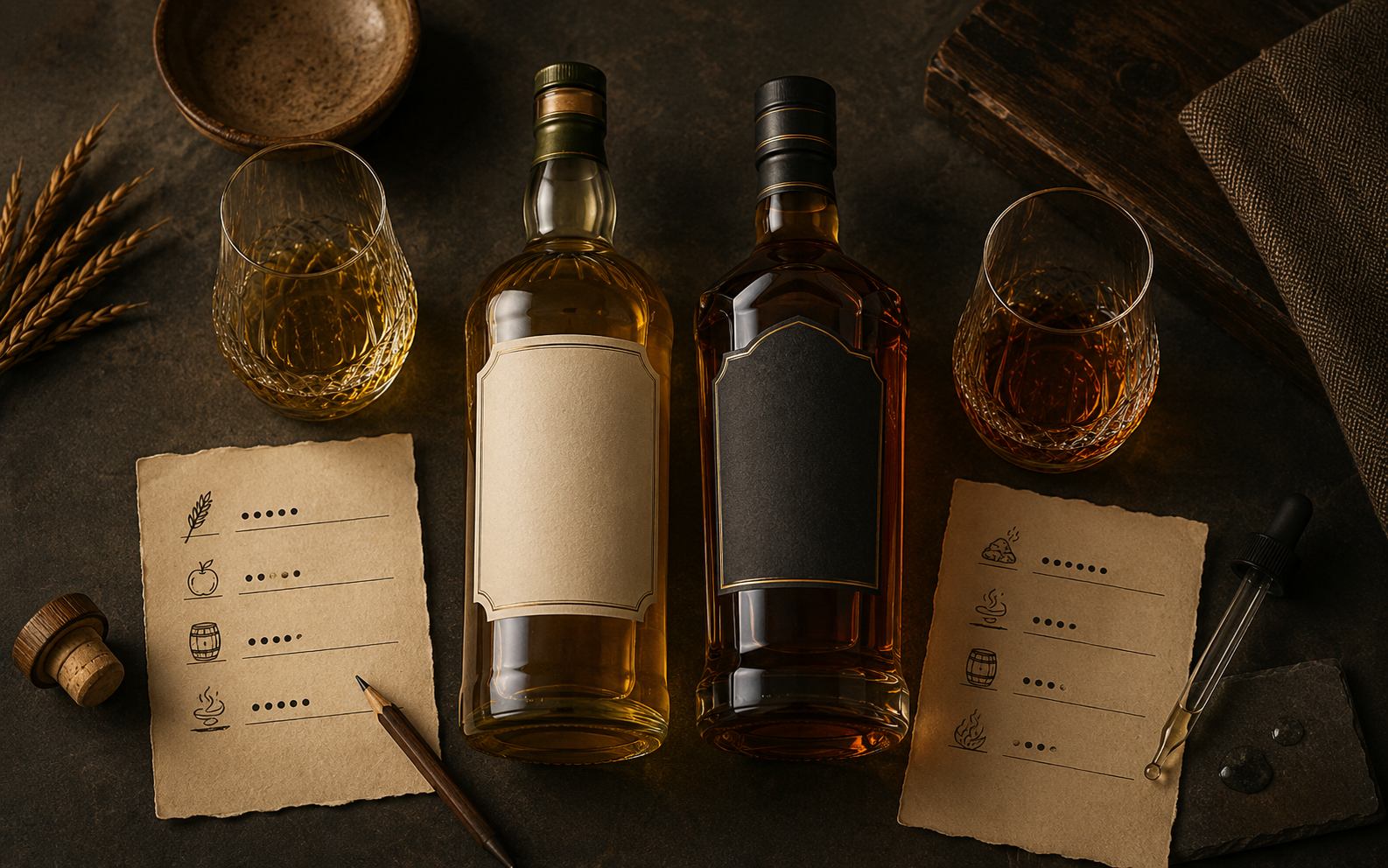
The best advice is to try both, side by side, in a pub that knows how to serve them properly. No ice unless you want it. No mixers unless you want those too. Just good whiskey, or whisky, in a clean glass, with time enough to appreciate the difference. Because once you understand what is in your glass and where it came from, the whole experience changes. And that is worth savouring.