
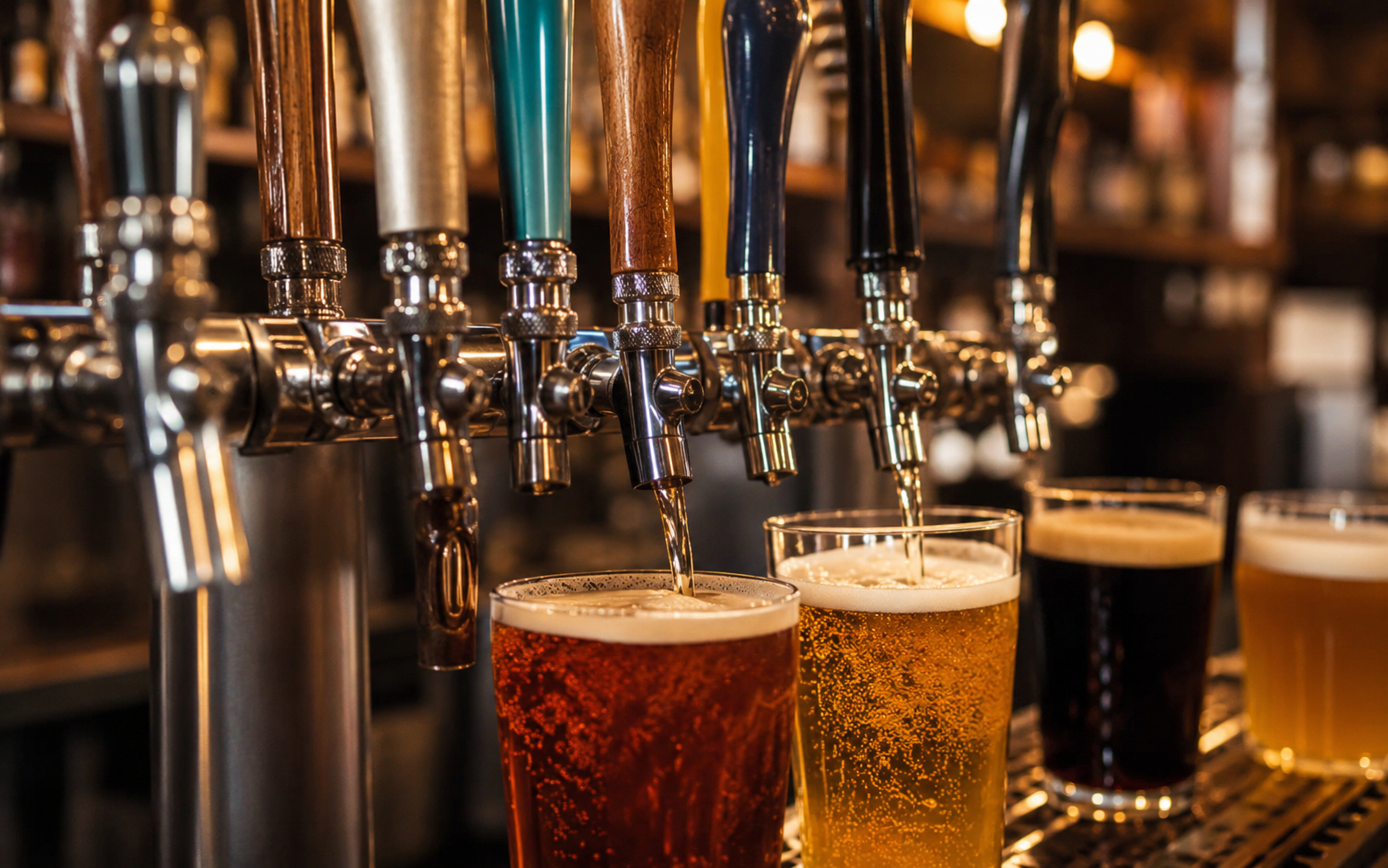
For decades, the story of the pub was one of decline. Thousands closed across Ireland and Britain, victims of cheap supermarket alcohol, changing social habits and the relentless squeeze of property developers. But in the last ten years, something unexpected has happened. A craft beer revolution has given pubs a new reason to exist, and drinkers a new reason to walk through the door.
The Decline That Sparked the Revival
The numbers were brutal. In the UK alone, pubs were closing at a rate of nearly thirty per week at the peak of the crisis. Ireland saw similar trends, particularly in rural areas where younger generations moved to cities and the older regulars slowly disappeared. The pubs that survived often did so by cutting costs, reducing staff and relying on a handful of mass-produced lagers that offered thin margins and even thinner flavour.
It was this homogeneity that created the opening for craft beer. When every pub serves the same four taps, there is no reason to choose one over another. But when a pub starts pouring a locally brewed pale ale or a seasonal stout from a microbrewery two towns over, it suddenly has an identity. It has a story to tell.
Microbreweries and the Local Connection
The rise of microbreweries has been transformative. Ireland now has over a hundred independent breweries, up from fewer than fifteen just two decades ago. Many of these breweries have built direct relationships with local pubs, supplying small-batch beers that you cannot find anywhere else. This exclusivity gives pubs a competitive edge that no chain bar can replicate.
The relationship works both ways. Pubs provide a guaranteed outlet for small brewers who cannot compete for supermarket shelf space. Brewers provide pubs with unique products that draw curious drinkers through the door. It is a symbiotic model that has revitalised communities in places like Cork, Galway and Belfast. According to the Brewers Association, this pattern of small breweries strengthening local hospitality is playing out in markets worldwide.
Changing Tastes, Changing Culture
Craft beer has also changed who goes to the pub and why. A generation that might have been content with a bottle of wine at home is now seeking out tap rooms and gastropubs where the beer list is as considered as the food menu. Tasting flights, tap takeovers and meet-the-brewer events have turned drinking into an experience rather than a routine.
This shift has been particularly noticeable among younger drinkers, who are statistically drinking less but spending more on what they do drink. They want quality over quantity, provenance over price, and they want to know the story behind what is in their glass. The pubs that have adapted to this mindset are thriving.
The Pub as a Third Place
Perhaps the most significant impact of the craft beer movement is that it has reminded people what pubs are actually for. Not just drinking, but gathering. The best craft beer pubs have become community spaces again, hosting everything from book clubs to charity fundraisers. They have reclaimed the pub's traditional role as a third place, somewhere between home and work where people can simply be together.
The revival is far from complete. Pubs are still closing, and the economics of running an independent bar remain punishing. But the trajectory has shifted. For the first time in a generation, new pubs are opening, old pubs are reinventing themselves, and the culture of going to the pub is being rediscovered by people who thought they had outgrown it. That is not a trend. That is a revival.