Walk into any city on earth and you will likely find an Irish pub within a few blocks of the centre. The green signage, the promise of a pint of stout, the sound of conversation spilling through the door. But not all of them get it right. There is a difference between a bar with an Irish name and a pub that actually captures the spirit of the thing. So what separates the genuine article from the pretenders?
The Importance of Atmosphere
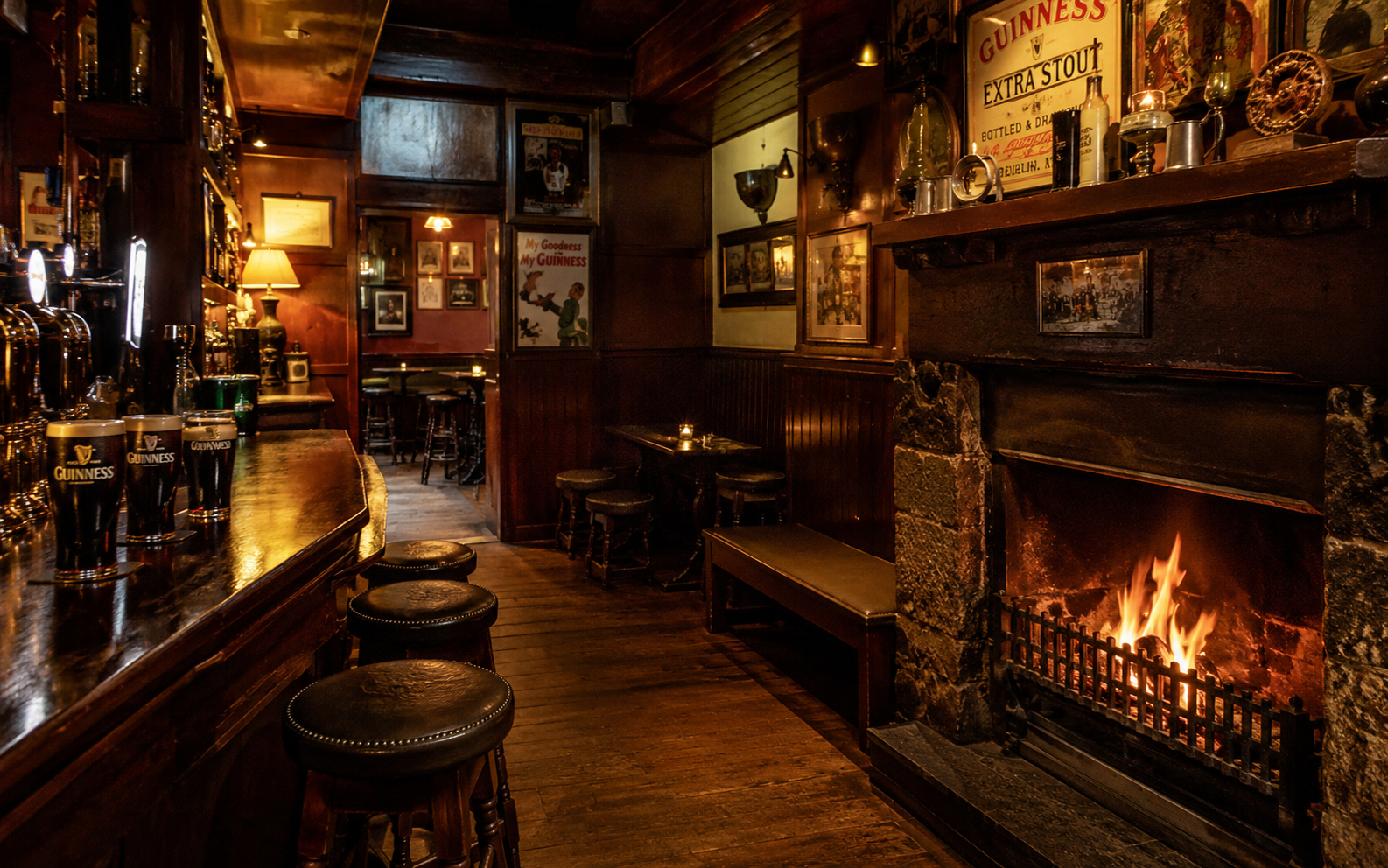
A great Irish pub does not try too hard. There are no neon signs screaming for your attention, no gimmicky cocktail menus designed for social media. Instead, the atmosphere builds from something quieter. Dim lighting. Dark wood. The low hum of a dozen conversations happening at once. The best pubs feel like they have been there forever, even when they opened last year. That lived-in quality comes from design choices that prioritise warmth over spectacle.
Snugs and alcoves play an important role in this. The traditional Irish pub was built around the idea of semi-private spaces, corners where you could have a conversation without shouting over music or dodging waiters. These architectural details are not decorative. They shape how people interact with the space and with each other.
The Bar Staff Make the Difference
You can spend a fortune on interiors, but if the person behind the bar treats you like a transaction, the whole thing falls apart. In the best Irish pubs, the bartender remembers your name after your second visit. They know when to chat and when to leave you alone. They pull a pint with care, not haste, and they treat regulars and newcomers with the same easy warmth.
This is not something you can train with a handbook. It is a culture, passed from one generation of publicans to the next. The bar staff set the tone for the entire room. A good bartender can make a mediocre pub feel welcoming. A bad one can ruin a beautiful space.
Community Over Commerce
The Irish pub has always been more than a place to drink. It is a community centre, a meeting hall, a place where news is shared, arguments are settled and friendships are forged over years. The best pubs understand this. They host quiz nights and trad sessions not because it fills seats on a Tuesday, but because it gives people a reason to come together.
In rural Ireland, the pub was often the only social space in the village. It served as a post office, a courtroom, a place to mourn and a place to celebrate. That multi-purpose nature is baked into the DNA of the institution, and the pubs that remember this tend to outlast the ones chasing trends.
The Pint Itself
You cannot call yourself a great Irish pub if the stout is not right. It sounds simple, but the quality of a pint depends on clean lines, proper gas pressure, correct temperature and a bartender who knows the two-part pour is not a marketing gimmick but a necessity. The best pubs take this seriously. They maintain their equipment, rotate their kegs and refuse to rush the process.
But it goes beyond Guinness. A truly great pub offers a considered selection of drinks without overwhelming you. A few well-chosen taps, a decent whiskey shelf, maybe a local craft beer or two. The goal is not variety for its own sake but quality across the board. When every pour is treated with respect, you know you are in the right place.
The magic of a great Irish pub is that none of these elements work in isolation. It is the combination of space, people, purpose and product that creates something greater than the sum of its parts. You know it when you feel it. One pint turns into three, a stranger becomes a friend, and the world outside the door stops mattering for a while. That is what makes a great Irish pub.