The neighbourhood local is disappearing. In Ireland, the number of pubs has dropped from over eleven thousand to fewer than seven thousand in the space of two decades. In Britain, the decline has been even steeper. Every week, pubs that have served their communities for generations are turning into apartments, coffee shops or simply boarded-up reminders of what used to be. But amid the closures, a new model is emerging. And it might just be enough to save the local.
Why Pubs Are Closing
The reasons are familiar and interconnected. Cheap alcohol in supermarkets has made staying home the economical choice. Drink-driving laws, while necessary and welcome, have devastated rural pubs that once relied on customers driving in from surrounding townlands. Rising rents and rates squeeze margins to the point where a bad month can mean the end. And changing social habits, particularly among younger people who drink less and socialise differently, have reduced the footfall that traditional pubs depend on.
There is also a structural problem. Many pubs are tied to large brewery chains that dictate what they can serve and at what price, leaving publicans with little room to differentiate or adapt. When every pub in a town serves the same beer at the same price, the only thing that distinguishes them is the atmosphere. And atmosphere alone is not enough to pay the bills.
The Community Ownership Model
One of the most promising developments in the fight to save the local is the rise of community-owned pubs. The model is straightforward. When a pub is threatened with closure, local residents pool their money to buy it, forming a cooperative or community benefit society that runs the pub on behalf of the neighbourhood. The profits stay in the community, the decisions are made collectively, and the pub becomes accountable to the people it serves rather than to a distant landlord.
In Britain, there are now over two hundred community-owned pubs, and the number is growing. The survival rate is remarkable. Community-owned pubs almost never close, because the people who own them are the same people who drink in them. They have a personal stake in the pub's success that goes beyond financial return.
Diversification and the Multi-Purpose Pub
The pubs that are thriving in the current climate are the ones that have found ways to serve their communities beyond selling drinks. Some have added post office counters, addressing the gap left by rural post office closures. Others host coworking spaces during the day, offering reliable Wi-Fi and decent coffee to remote workers who would otherwise spend their days alone at home. Book clubs, yoga classes, farmers markets and repair cafes are all finding homes in pubs that have the space and the willingness to experiment.
This diversification is not new. The Irish pub has always been a multi-purpose institution. What is new is the deliberate, strategic way that modern publicans are approaching it. They are not just hoping that people will show up. They are creating reasons for people to come, and in doing so, they are rebuilding the social infrastructure that the pub has always provided.
A New Generation of Publicans
Perhaps the most encouraging sign is the people entering the trade. A new generation of publicans is emerging, motivated less by profit than by a genuine desire to create community spaces. These are people who have seen what happens when the local closes and the neighbourhood loses its gathering place. They are bringing fresh ideas, sustainable practices and a willingness to challenge the conventions of what a pub can be.
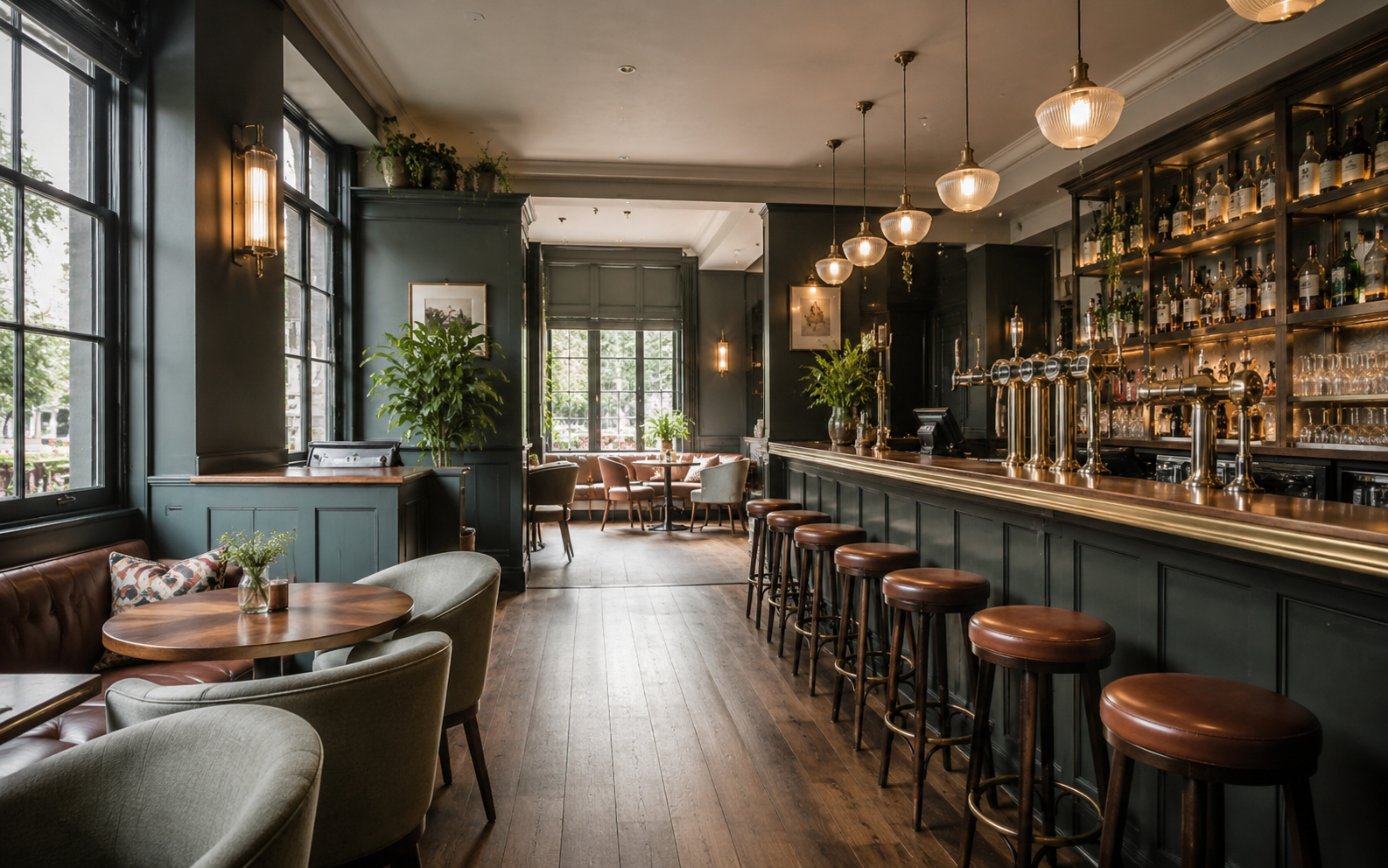
The neighbourhood local of the future may look different from the one your grandparents knew. It might serve coffee in the morning and craft beer in the evening. It might host a coding workshop on Wednesday and a trad session on Thursday. It might be owned by fifty people instead of one. But if it does what the best pubs have always done, providing a space where neighbours can meet, talk and belong, then it will survive. The local is not dead. It is evolving. And the communities that fight to keep it will be better for it.