For most of the twentieth century, pub food was an afterthought. A packet of crisps. A ploughman's lunch if you were lucky. Maybe a toasted sandwich made with white bread and processed cheese. The food existed to soak up alcohol, not to be enjoyed on its own merits. Then, sometime in the 1990s, everything changed. The gastropub arrived, and pub food would never be the same again.
The Gastropub Revolution
The term gastropub was coined in 1991 when a London pub called The Eagle began serving restaurant-quality food in a traditional pub setting. The concept was radical at the time. Here was a proper pub, with pints and barstools and football on the television, that also happened to serve food made from scratch by a trained chef using seasonal ingredients. No white tablecloths. No dress code. Just really good food in a place where you could eat it with your hands if you wanted to.
The idea spread quickly. Within a decade, gastropubs had appeared across Britain and Ireland, and the concept had jumped to Australia, North America and beyond. The core principle remained the same. Take the informality and warmth of a pub and pair it with food that respects the ingredients and the diner. It was a simple formula, but it transformed the economics and the culture of the pub industry.
Irish Pub Food Finds Its Voice
Ireland was slow to embrace the gastropub trend, partly because the country's pub culture was so deeply rooted in drinking rather than eating. But when Irish chefs finally got involved, they brought something distinctive to the table. Irish pub food at its best draws on a culinary tradition built around simple, high-quality ingredients: Atlantic seafood, grass-fed beef, artisan cheeses and root vegetables grown in rich Irish soil.
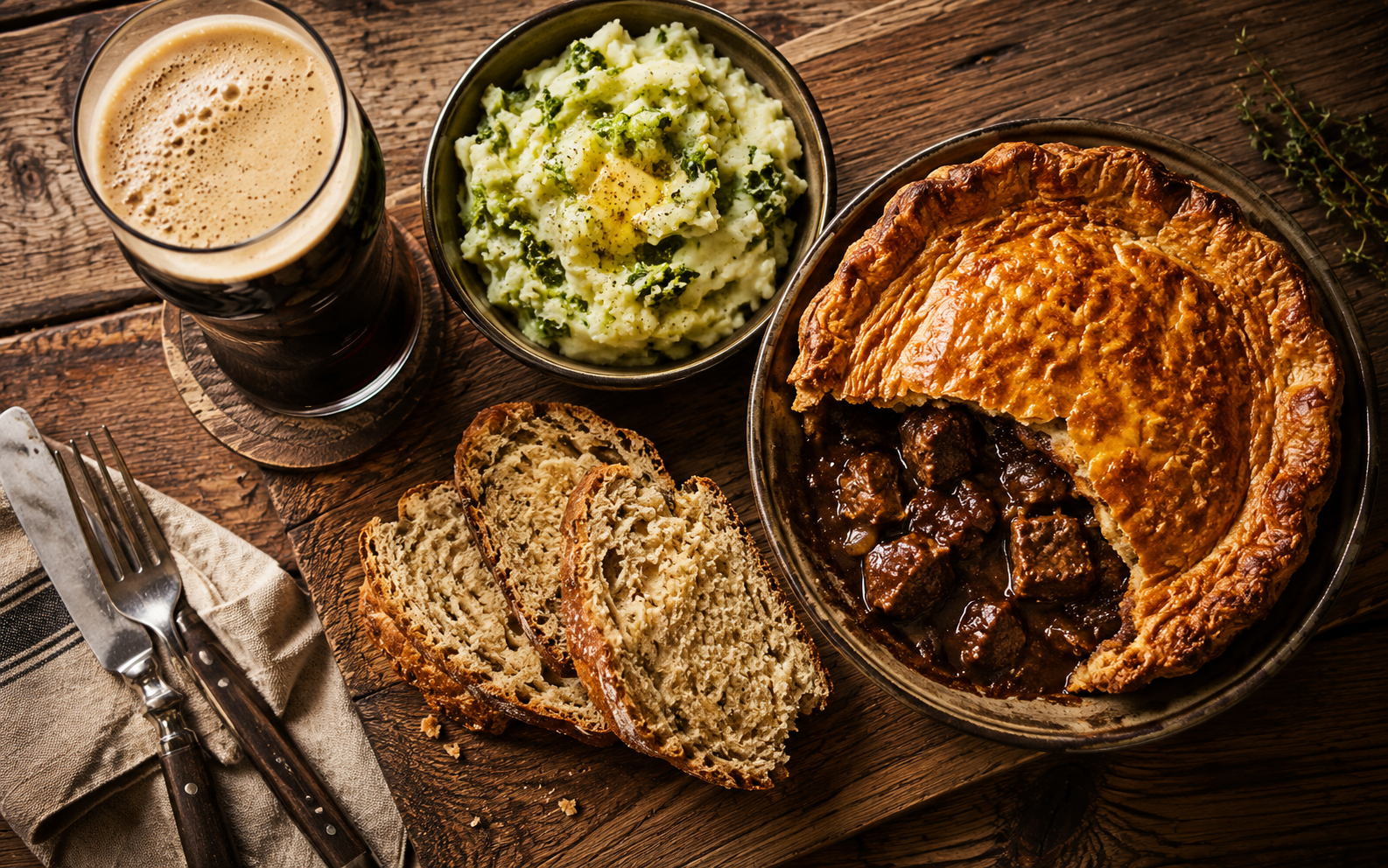
Today, the best Irish pubs serve food that would be unrecognisable to a publican from thirty years ago. Chowder made with crab and dill from the west coast. Slow-braised lamb shanks with colcannon. Boxty filled with smoked salmon and horseradish cream. These dishes are deeply Irish without being stuck in the past, and they give visitors a reason to eat at the pub rather than simply drink there. As noted by Wikipedia's overview of the Irish pub, food has become an increasingly important part of the modern pub experience worldwide.
Beyond the British Isles
The influence of the gastropub has reached far beyond its origins. In New York, Melbourne and Toronto, Irish pubs are serving food that blends Irish traditions with local flavours. A pub in Sydney might pair its stout with kangaroo sliders. A bar in Montreal might offer poutine alongside its shepherd's pie. This culinary cross-pollination is one of the most exciting developments in the global pub scene, creating new dishes that honour tradition while embracing the local context.
The key is balance. The best pub food is not trying to be fine dining. It is trying to be the best possible version of food you can eat with a pint in your hand. That means generous portions, bold flavours and a menu that changes with the seasons rather than staying the same year-round.
What Comes Next
The next wave of pub food is already taking shape. Pubs are becoming more conscious of dietary restrictions, offering plant-based options that go beyond a token salad. Sustainability is becoming a selling point, with pubs sourcing from local farms and reducing food waste. And the line between pub and restaurant continues to blur, with some establishments earning serious culinary recognition while refusing to abandon their identity as places where you can walk in wearing muddy boots and nobody bats an eye.
The fish and chips are not going anywhere. Nor should they. But the pub menu has expanded beyond recognition, and the places that are getting it right are proving that you do not need a reservation and a jacket to eat well. You just need a good pub.